The Arrest of AAP MLA Amanatullah Khan: Unraveling the Delhi Waqf Board Money Laundering Case
The recent arrest of AAP MLA Amanatullah Khan by the Enforcement Directorate (ED) has captured widespread attention. This significant legal action is connected to an ongoing investigation into financial misconduct within the Delhi Waqf Board. To understand the implications and context of this case, let’s delve into the details surrounding Khan’s arrest and the broader issues at play.
The Arrest: A Closer Look
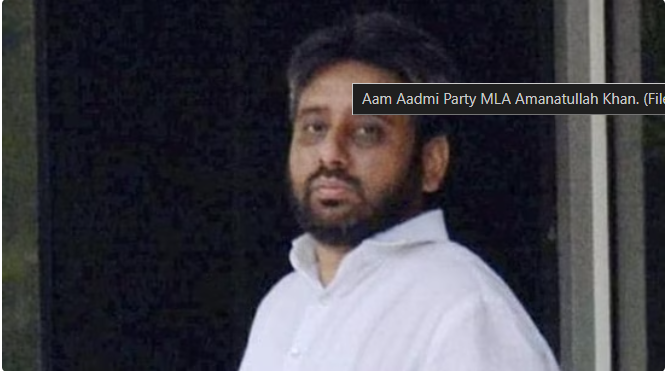
On a seemingly routine Monday morning, the ED conducted a high-profile raid at Amanatullah Khan’s residence in Delhi’s Okhla area, resulting in his arrest. This action is part of an extensive investigation into allegations of money laundering under the Prevention of Money Laundering Act (PMLA). Khan’s arrest came after a series of legal maneuvers and missed summonses, reflecting the seriousness with which the ED is treating this case.
read more in hindustan times click here…
Khan has vocally criticized the timing and motivation behind his arrest. In a statement, he accused the current political administration of using the ED as a tool for political harassment. He described the situation as a politically driven attempt to undermine him and other AAP leaders, while asserting his readiness to face legal consequences and his belief in receiving justice from the courts.
The Legal Landscape
Khan’s legal troubles have been unfolding over several months. The Delhi High Court recently rejected a plea to halt proceedings against him, which had been initiated by a lower court’s summons. These summonses were part of the ED’s efforts to question Khan about his involvement in the alleged financial irregularities related to the Delhi Waqf Board.
The ED’s complaint, lodged in early April, accused Khan of evading at least ten summonses issued under the PMLA. The legal proceedings intensified when Khan sought to overturn earlier court orders that demanded his presence for questioning.
The Delhi Waqf Board Case Explained
The core of the case revolves around alleged financial mismanagement within the Delhi Waqf Board. The Board, responsible for managing properties meant for religious purposes, is at the center of these allegations. The case involves two primary allegations against Khan:
- Unauthorized Appointments: The Central Bureau of Investigation (CBI) has alleged that Khan made unlawful appointments to the Delhi Waqf Board. These appointments were supposedly for positions that either did not exist or were not sanctioned, leading to financial losses for the Delhi government and illicit personal gains for Khan.
- Disproportionate Assets: The Delhi Anti-Corruption Branch (ACB) has also investigated Khan for accumulating assets that appear disproportionate to his known income sources. According to the ED’s chargesheet, Khan is accused of laundering these illicit gains by acquiring real estate properties through various associates, including Jawed Imam Siddiqui, Daud Nasir, Zeeshan Haider, and Kausar Imam Siddiqui.
Political and Public Reactions
Khan’s arrest is more than a legal event; it has stirred significant political debate. The AAP, Khan’s party, views the arrest as part of a broader political strategy aimed at discrediting opposition figures. They argue that such legal actions are politically motivated and designed to stymie their political activities.
Conversely, the BJP and other critics argue that the ED’s actions are crucial for ensuring accountability and transparency in public office. They assert that the legal process must take its course to address any potential corruption and misuse of power.
What Lies Ahead?
The arrest of Amanatullah Khan is just the beginning of what promises to be a complex and high-stakes legal battle. The outcome will have significant implications not only for Khan but also for Delhi’s political dynamics. As the case progresses through the legal system, it will continue to be a focal point of public and political interest.
This case underscores the intersection of law, politics, and governance in India, reflecting broader issues of accountability and justice in public administration. As more details emerge, it will be crucial to watch how the legal proceedings unfold and what impact they may have on Delhi’s political landscape.