Omar Abdullah Criticizes Afzal Guru’s Execution: A Futile Act and Political Insight
On Friday, National Conference leader Omar Abdullah made a significant statement regarding the execution of Afzal Guru, the convict of the 2001 Parliament attack. Abdullah argued that the hanging of Guru “served no purpose,” underscoring his belief that the execution was ultimately ineffective and lacked substantive benefit.
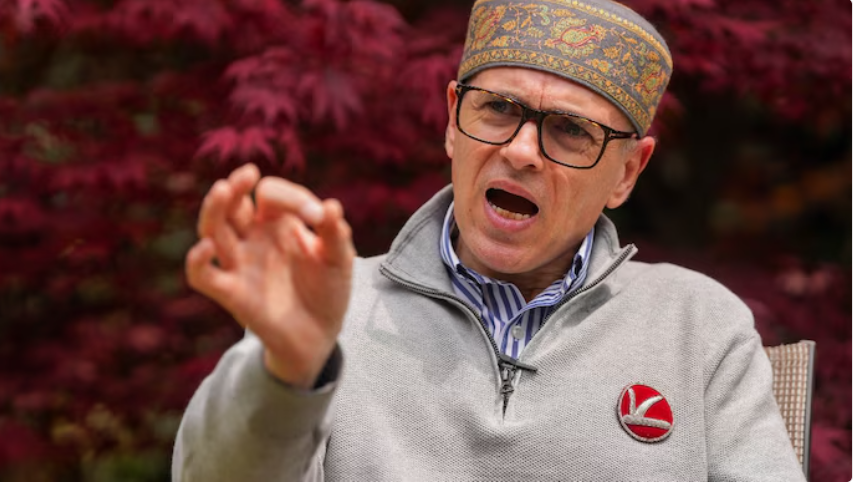
In an interview with ANI, Abdullah emphasized that the erstwhile Jammu and Kashmir government had no involvement in the decision to execute Afzal Guru. He noted that for such an action to take place, it would have required the approval of the state government. According to Abdullah, this approval would not have been granted by the Jammu and Kashmir government at the time. He expressed skepticism about the value of the execution, stating, “I don’t believe any purpose was served by executing him.”
Abdullah’s comments reflect a broader critique of capital punishment, supported by evidence from around the world suggesting that executions often fail to achieve their intended goals. He pointed out that history has shown, both in India and internationally, that executions can be fraught with issues, including wrongful convictions and ineffective deterrence.
Afzal Guru was executed on February 9, 2013, at Delhi’s Tihar Jail for his involvement in the December 13, 2001, attack on Parliament House. His burial within the jail complex added to the controversy surrounding his execution.
These remarks come at a crucial time for Abdullah, as Jammu and Kashmir prepares for its Assembly elections, which will be the first since the abrogation of Article 370. Abdullah is contesting the elections from two constituencies, Ganderbal and Budgam, and expressed his ambition to win both seats. He framed his candidacy as a bid to restore “respect taken from us,” reflecting his commitment to addressing the political challenges facing the region.
The elections in the Union Territory are scheduled to be held in three phases: September 18, September 25, and October 1, with the results expected to be declared on October 8. Abdullah’s statements and candidacy are poised to influence the political landscape of Jammu and Kashmir, highlighting ongoing debates about governance, justice, and regional autonomy.
By addressing both historical grievances and current political dynamics, Abdullah’s comments on Afzal Guru’s execution offer a nuanced perspective on justice and political strategy in Jammu and Kashmir.