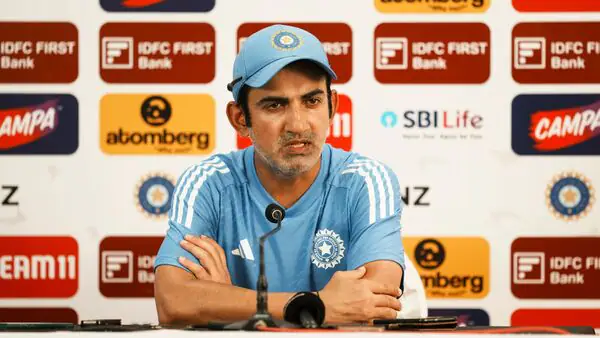
In the evolving landscape of cricket, former Indian opener and current head coach Gautam Gambhir has voiced his concerns about the negative repercussions of T20 cricket on players’ fundamental skills. His candid reflections come at a time when the Indian cricket team faces significant challenges, particularly in the longer formats of the game.
T20 Cricket and Its Influence on Traditional Skills
Gautam Gambhir believes that the explosive nature of T20 cricket is reshaping how players approach their game. He argues that the emphasis on aggressive batting often overshadows essential techniques, particularly in Test cricket. “Sometimes you’re so used to muscling the ball that you end up forgetting the soft hands,” Gambhir remarked, highlighting a crucial aspect of batting that players seem to neglect in favor of power hitting.
This shift in focus has become evident in recent matches, where Indian batsmen struggled against both New Zealand and Sri Lanka. In the ongoing Test series against New Zealand, the Indian batting lineup faltered against the pace attack led by Matt Henry and William ORourke. Additionally, the spinners from Sri Lanka dominated the Indian batting order during the ODI series, leading to a rare series loss—India’s first in a bilateral ODI series since 1997.
The Need for a Complete Cricketer
For Gambhir, the definition of a “complete cricketer” encompasses success across all formats of the game, including both T20 and Test cricket. He emphasizes the importance of adaptability: “Growth is not only about hitting the ball in the stands. It’s also about batting sessions on a turning track where you know that you will not be able to hit in the stands but you’ll be able to rotate better.” This adaptability is vital for players, especially when transitioning between formats that require vastly different skill sets.
Challenges Ahead for Indian Cricket
With the Indian team currently at the top of the World Test Championship (WTC) table, there’s still a pressing need to secure victories in upcoming matches to maintain their position. After a disappointing performance against New Zealand, the Indian squad, led by Rohit Sharma, aims to bounce back in the third Test set to take place at the Wankhede Stadium in Mumbai on November 1. A successful outing here is crucial, especially with a demanding five-match Test series in Australia looming on the horizon.
Gambhir warns that the challenges faced by Indian cricketers could mirror those encountered by other teams in the future. “The more T20 cricket is played, the lesser people will start defending,” he noted, indicating a potential decline in traditional batting techniques across international teams.
Conclusion
Gautam Gambhir’s insights into the impact of T20 cricket on player development raise important questions about the future of the sport. As players increasingly focus on the short format, the risk of losing essential skills in Test cricket becomes more pronounced. For the health of cricket as a whole, it’s imperative that players strive for versatility, ensuring that they can thrive across all formats of the game. The upcoming matches will be crucial in testing the resilience and adaptability of the Indian team as they navigate this challenging phase.
As the cricketing community watches closely, the hope is that Gambhir’s emphasis on building a strong foundation in traditional skills will resonate with players and coaches alike, paving the way for a more balanced approach to the game.