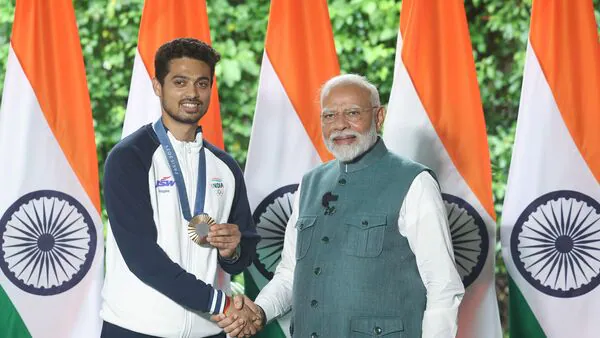
In a recent outcry, Suresh Kusale, father of Olympic bronze medallist Swapnil Kusale, has criticized the Maharashtra government’s prize policy for athletes, specifically highlighting the disparity in rewards for Olympic achievements. As the second Olympian from Maharashtra to win a medal since 1952, Swapnil’s accomplishments have sparked a significant debate about how the state values its sports heroes.
The Current Prize Structure: An Overview
According to the newly announced policy by the Maharashtra government, Olympic bronze medallists receive a cash prize of ₹2 crore. While this may seem substantial at first glance, Suresh Kusale argues that it falls short compared to other states, particularly Haryana, which awards ₹5 crore to each Olympic medallist. The disparity raises important questions about the motivation and support provided to athletes representing Maharashtra on the global stage.
A Plea for Fairness
Suresh Kusale’s frustration is palpable. He contends that with only two individual Olympic medal winners from Maharashtra in over 70 years, the state should reevaluate its approach to rewarding its athletes. He advocates for a prize of ₹5 crore, along with a flat near the Chhatrapati Shivaji Maharaj Sports Complex in Balewadi, to facilitate easier access for training and practice. Additionally, he proposes that the 50-meter-three-position rifle shooting arena be named in honor of his son, a gesture that would not only recognize Swapnil’s achievement but also inspire future generations.
The Comparative Analysis: Maharashtra vs. Haryana
The stark contrast between Maharashtra and Haryana’s reward systems raises crucial points. Haryana’s policy, which offers ₹6 crore for gold medallists, ₹4 crore for silver, and ₹2.5 crore for bronze, reflects a strong commitment to fostering sports talent. This has contributed to Haryana’s prominence in various sports disciplines, making it a model for other states to emulate.
Suresh Kusale’s comments highlight a sentiment shared by many athletes and their families: the importance of substantial recognition for significant achievements. He questioned whether the lower rewards stem from his son’s humble background, hinting at a possible bias in how athletes are valued based on their socioeconomic status.
A Call to Action
The discourse initiated by Suresh Kusale is not merely about financial rewards; it’s about recognizing the hard work, dedication, and sacrifices made by athletes. It poses a critical question: How can states like Maharashtra cultivate a thriving sports culture if they do not adequately support and reward their athletes?
Conclusion
As Maharashtra reflects on its policies regarding Olympic rewards, the conversation sparked by the Kusale family highlights the need for reform. Adequate recognition can inspire future athletes, foster talent, and ultimately elevate the state’s standing in the world of sports. It is imperative for policymakers to take these concerns seriously and make the necessary adjustments to ensure that every athlete feels valued and motivated to strive for excellence.
By addressing these issues, Maharashtra can set a precedent for other states, ensuring that athletes receive the recognition they deserve and fostering a brighter future for sports in India.